
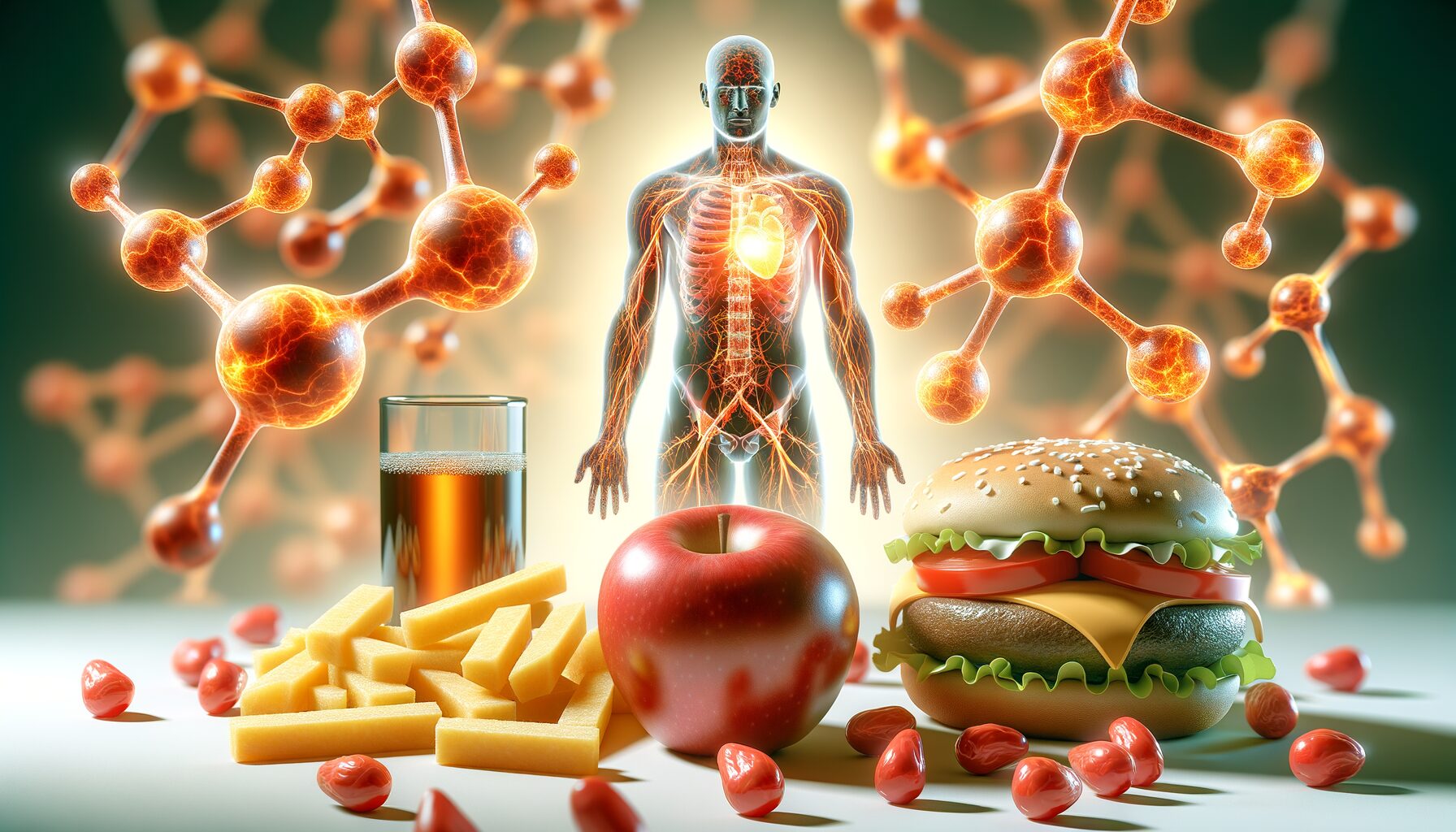
Cholesterol is a waxy, fat-like substance that is found in every cell of our body. It plays a crucial role in various bodily functions, including the production of hormones, vitamin D, and bile acids that help digest fat. While cholesterol is often associated with negative health outcomes, it is important to recognize that it is not inherently bad. In fact, our bodies require cholesterol to function properly. It is produced by the liver and can also be obtained from certain foods we consume, such as meat, dairy products, and eggs.
Despite its essential functions, cholesterol has garnered a reputation for being a health villain, primarily due to its association with heart disease and other cardiovascular issues. This perception can lead to confusion about its role in our health. We must understand that cholesterol itself is not harmful; rather, it is the balance and types of cholesterol in our bodies that determine its impact on our health. By gaining a clearer understanding of cholesterol, we can make informed decisions about our diets and lifestyles.
Understanding the balance between healthy and unhealthy cholesterol is crucial for maintaining heart health. For a deeper dive into how cholesterol levels can impact your overall well-being and the importance of health insurance in managing these conditions, you can read more in this informative article on health insurance options at Discover Health.
The Role of Cholesterol in the Body
Cholesterol serves several vital functions within our bodies. One of its primary roles is to contribute to the structure of cell membranes, providing stability and fluidity. This structural component is essential for maintaining the integrity of our cells, allowing them to function optimally. Additionally, cholesterol is a precursor for the synthesis of steroid hormones, such as cortisol and sex hormones like estrogen and testosterone. These hormones are critical for regulating various physiological processes, including metabolism, immune response, and reproductive functions.
Moreover, cholesterol is involved in the production of bile acids, which are necessary for the digestion and absorption of dietary fats. Without adequate levels of cholesterol, our bodies would struggle to process fats effectively, leading to potential nutritional deficiencies. Furthermore, cholesterol plays a role in the formation of myelin, a protective sheath that surrounds nerve fibers and facilitates efficient nerve signal transmission. This highlights the importance of cholesterol not only for physical health but also for cognitive function and overall well-being.
The Difference Between HDL and LDL Cholesterol
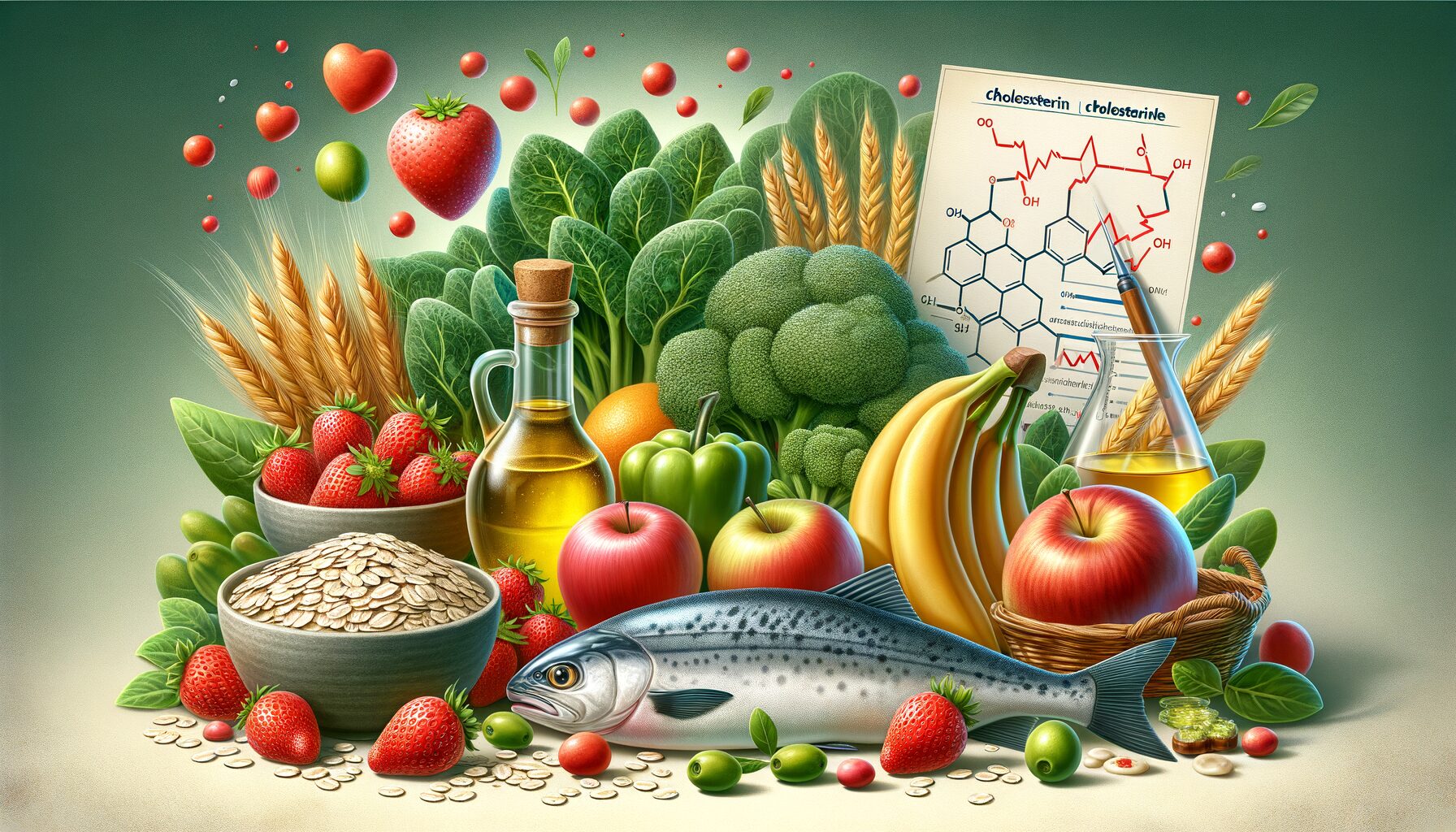
When discussing cholesterol, we often hear about two main types: high-density lipoprotein (HDL) and low-density lipoprotein (LDL). These two types serve different functions in our bodies and have distinct effects on our health. HDL cholesterol is often referred to as “good” cholesterol because it helps transport excess cholesterol away from the arteries and back to the liver for excretion or recycling. This process can help reduce the risk of plaque buildup in the arteries, which is a significant contributor to heart disease.
On the other hand, LDL cholesterol is commonly known as “bad” cholesterol. Elevated levels of LDL can lead to the accumulation of cholesterol in the walls of arteries, forming plaques that narrow and harden the arteries over time. This condition, known as atherosclerosis, can increase the risk of heart attacks and strokes. Understanding the difference between HDL and LDL cholesterol is crucial for assessing our cardiovascular health. By focusing on increasing HDL levels while managing LDL levels, we can work towards maintaining a healthier balance of cholesterol in our bodies.
How to Measure Cholesterol Levels
Measuring cholesterol levels is an essential step in assessing our cardiovascular health. The most common method for evaluating cholesterol levels is through a blood test known as a lipid panel or lipid profile. This test measures total cholesterol, HDL cholesterol, LDL cholesterol, and triglycerides—another type of fat found in the blood. Typically, we are advised to fast for at least 9-12 hours before undergoing this test to ensure accurate results.
Once we receive our lipid panel results, healthcare professionals can help us interpret them and determine if any action is necessary. Regular monitoring of cholesterol levels is particularly important for individuals with risk factors such as a family history of heart disease, obesity, or diabetes. By keeping track of our cholesterol levels over time, we can identify trends and make informed decisions about lifestyle changes or medical interventions if needed.
Understanding the balance between healthy and unhealthy cholesterol is crucial for maintaining heart health. For those looking to delve deeper into this topic, you can explore a related article that discusses various dietary choices and their impact on cholesterol levels. This informative piece can be found at Discover Health, where you will find valuable insights on how to manage cholesterol effectively through lifestyle changes.
Understanding Healthy Cholesterol Levels
Understanding what constitutes healthy cholesterol levels is vital for maintaining cardiovascular health. According to guidelines from health organizations, total cholesterol levels should ideally be below 200 mg/dL. For HDL cholesterol, higher levels are better; a level of 60 mg/dL or higher is considered protective against heart disease. Conversely, LDL cholesterol levels should be kept low—ideally below 100 mg/dL for optimal heart health.
Triglyceride levels also play a role in overall cardiovascular risk; levels should be less than 150 mg/dL for optimal health. It’s important to remember that these numbers are general guidelines and may vary based on individual health conditions and risk factors. Regular check-ups with healthcare providers can help us understand our specific targets and what steps we may need to take to achieve them.
Understanding the balance between healthy and unhealthy cholesterol is crucial for maintaining overall heart health. For those looking to dive deeper into this topic, a related article provides valuable insights on how dietary choices can impact cholesterol levels and overall well-being. You can read more about it in the article on cholesterol management. This resource offers practical tips and information that can help individuals make informed decisions about their diet and lifestyle.
Understanding Unhealthy Cholesterol Levels
Unhealthy cholesterol levels can significantly increase our risk of developing cardiovascular diseases. Elevated total cholesterol levels above 240 mg/dL are considered high and warrant further investigation into lifestyle factors or potential medical interventions. High LDL cholesterol levels—typically above 160 mg/dL—are particularly concerning as they contribute to plaque buildup in arteries.
Additionally, low levels of HDL cholesterol (below 40 mg/dL) can also pose risks since this type of cholesterol helps remove excess cholesterol from the bloodstream. Understanding these unhealthy thresholds allows us to take proactive measures in managing our health. If we find ourselves in these categories during routine check-ups, it’s essential to consult with healthcare professionals who can guide us on appropriate lifestyle changes or treatments.
The Effects of High Cholesterol on the Body
High cholesterol can have detrimental effects on our bodies over time. One of the most significant concerns is its contribution to cardiovascular diseases such as coronary artery disease (CAD), which occurs when plaque builds up in the coronary arteries that supply blood to the heart muscle. This buildup can lead to angina (chest pain) or even heart attacks if blood flow is severely restricted or blocked.
Moreover, high cholesterol levels can also increase the risk of stroke by contributing to plaque formation in arteries supplying blood to the brain. Other potential complications include peripheral artery disease (PAD), which affects blood flow to the limbs and can lead to pain or mobility issues. Recognizing these risks emphasizes the importance of monitoring our cholesterol levels and taking proactive steps to maintain them within healthy ranges.
Tips for Maintaining Healthy Cholesterol Levels
Maintaining healthy cholesterol levels involves a combination of dietary choices, physical activity, and lifestyle modifications. One effective strategy is adopting a heart-healthy diet rich in fruits, vegetables, whole grains, lean proteins, and healthy fats such as those found in nuts and olive oil. Reducing saturated fat intake by limiting red meat and full-fat dairy products can also help lower LDL cholesterol levels.
Incorporating regular physical activity into our routines is another crucial aspect of managing cholesterol levels. Engaging in aerobic exercises such as walking, running, cycling, or swimming for at least 150 minutes per week can help raise HDL cholesterol while lowering LDL levels. Additionally, avoiding tobacco smoke and limiting alcohol consumption can further support cardiovascular health.
By understanding the complexities of cholesterol and taking proactive steps towards maintaining healthy levels, we empower ourselves to lead healthier lives. Regular check-ups with healthcare providers can help us stay informed about our progress and make necessary adjustments along the way. Ultimately, by prioritizing our heart health today, we set ourselves up for a healthier tomorrow.
FAQs
What is cholesterol?
Cholesterol is a waxy, fat-like substance that is found in all cells of the body. It is important for the production of hormones, vitamin D, and substances that help digest food.
What is healthy cholesterol?
Healthy cholesterol refers to high-density lipoprotein (HDL) cholesterol, which is considered “good” cholesterol. HDL helps remove other forms of cholesterol from the bloodstream and carries it back to the liver, where it is processed and eliminated from the body.
What is unhealthy cholesterol?
Unhealthy cholesterol refers to low-density lipoprotein (LDL) cholesterol, which is considered “bad” cholesterol. High levels of LDL can lead to the buildup of plaque in the arteries, increasing the risk of heart disease and stroke.
What are the recommended levels of cholesterol?
For adults, the American Heart Association recommends that total cholesterol levels should be less than 200 milligrams per deciliter (mg/dL), with LDL levels less than 100 mg/dL and HDL levels greater than 60 mg/dL.
How can I maintain healthy cholesterol levels?
Maintaining a healthy diet low in saturated and trans fats, regular physical activity, and avoiding smoking can help maintain healthy cholesterol levels. In some cases, medication may be prescribed by a healthcare professional to help manage cholesterol levels.